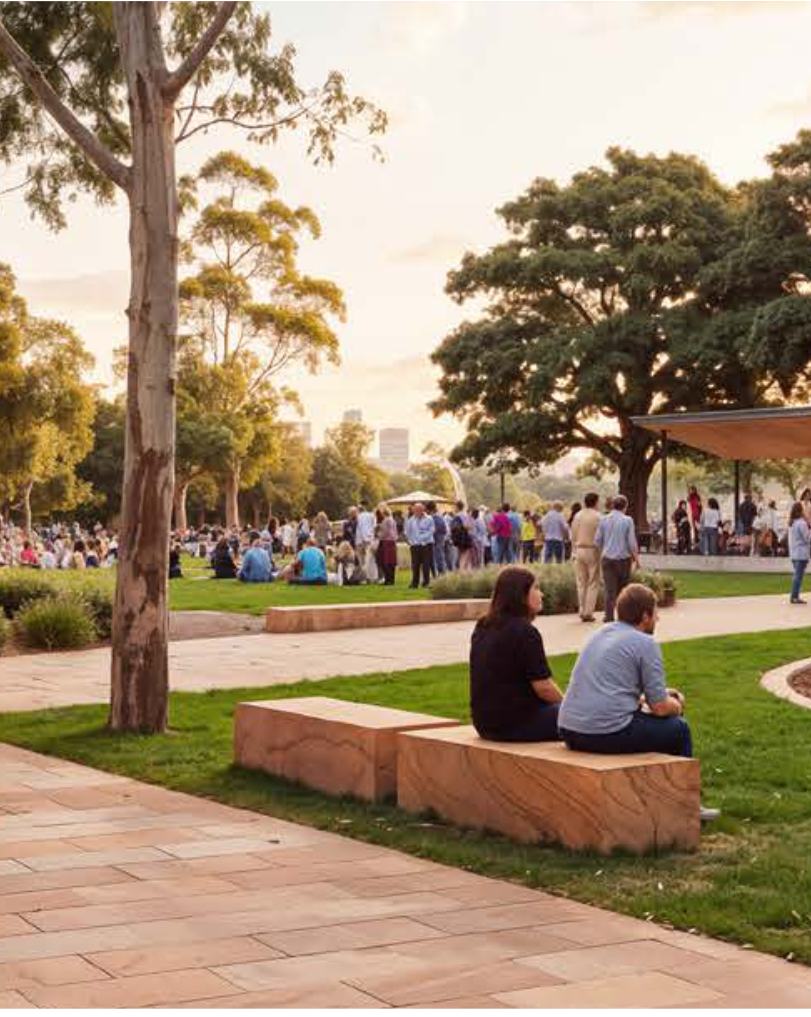
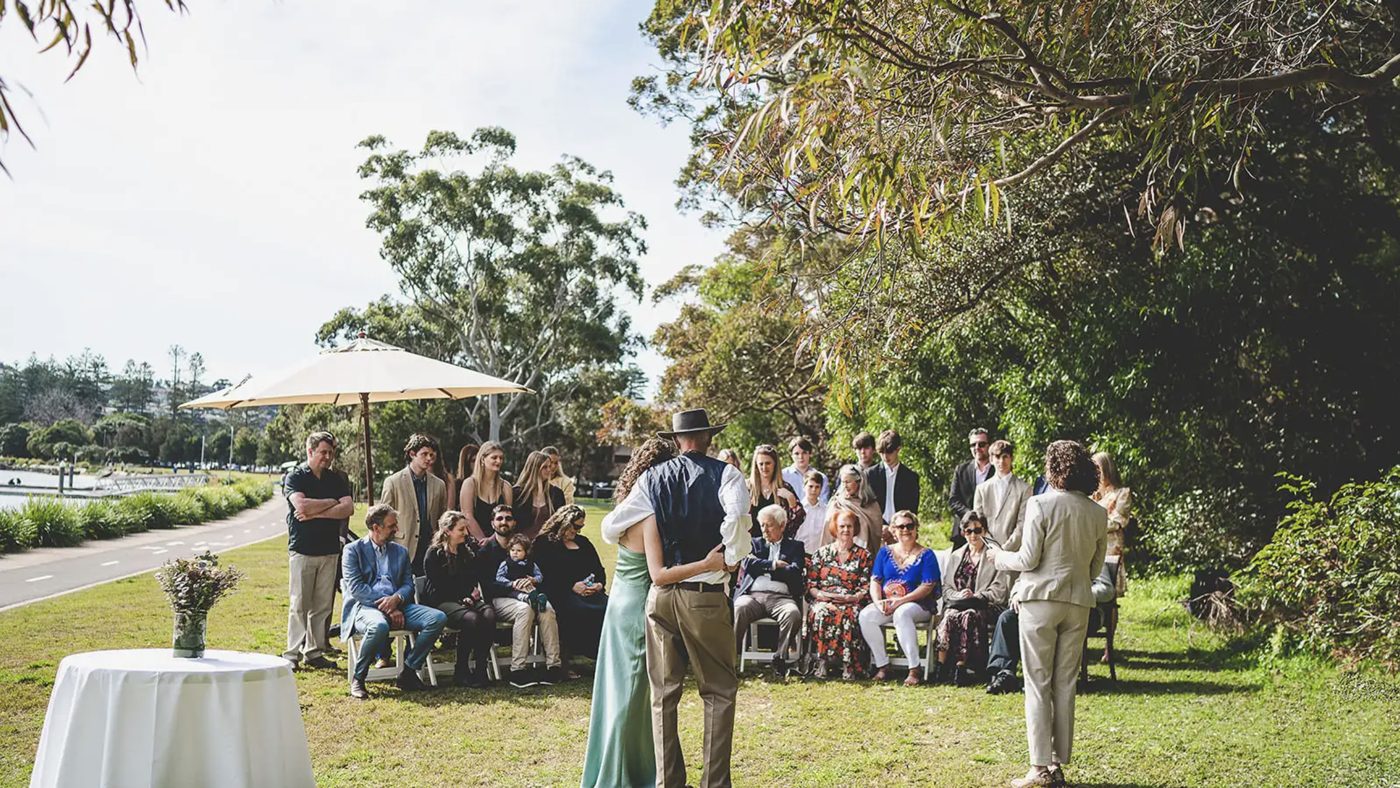
Artist impression of a renewed Mosman Square from the Masterplan Artist impression · Mosman Square · Mosman Masterplan
Mosman Council · Masterplan and Heritage films

Mosman has always changed. This is the next chapter.

Prepared for
Mosman Council
Prepared by
Chelsea Ribeiro, Ivory Media
Date
Tuesday 10th November 2026

Action needed: please put forward people for the casting brief by Friday 13th November.

Go to the casting brief
The briefWhat we're making, and what success looks like.
What we're making

Two films that tell Mosman's story, from the community to the community.

The Masterplan is the biggest project council has ever taken on. It's council's considered response to the state's housing requirements: around 4,700 new homes over time, focused on Spit Junction and the Military Road and Spit Road corridors, so the heritage streets, foreshore slopes and village feel are protected.

These films will support the public exhibition. They need to feel like a story, not a council ad, and they need to earn trust in a community that can smell a brand message from a mile away.

  • Film 1: the case for change

    A documentary of up to five minutes, plus a 90 second to two minute version, told entirely by Mosman residents.

  • Film 2: the story of change

    A 90 second to two minute film showing that Mosman has always evolved, and that each change helped shape the Mosman people love today.

  • One shoot, two films

    Interviews and visuals are planned together, so the films share a voice and a look.

  • Key message

    Mosman has always evolved, and the Masterplan is its next chapter, shaped on its own terms.

What success looks like

Think

Mosman has always changed, and this change is being carefully and professionally managed.

Feel

Proud of where they live, and reassured that what makes Mosman special is protected.

See

The Masterplan as the next chapter in Mosman's story, not the end of it.

Do

Come to public exhibition informed, and open to the conversation.

What we heard from youSix things from our discovery session that shape the films.
What we heard from you

Six insights that shape the creative.

These come from our discovery session with council's leadership team, the Heritage Review, the GM's narrative notes, and our own research into Mosman's archives.

  1. 01

    The community has come a long way, but not everyone is there

    Many residents have come on the journey. Concerns remain about height, transport, infrastructure, heritage and character. A film that's wall-to-wall positive will lose the people we most need to reach.

  2. 02

    Mosman's history literally rhymes with this plan

    In an oral history held by Mosman Library, Alan Gamble, an architect who joined council in 1945, describes council limiting tall buildings to the ridges and main roads to avoid "canyons of flat developments". Today's plan does the same thing: density on the ridge, protection for the slopes.

  3. 03

    Every generation has worried about change

    Mosman's oral history archive includes residents lamenting change, from gardens lost to subdivision to traffic. In the 1920s and 30s, the first blocks of flats were considered "out of harmony" with Mosman. Today some of those same buildings are listed heritage items.

  4. 04

    People want room for the next generation

    Young people who grew up here would love to build their lives here. Key workers who look after Mosman often travel a long way to get here. Older residents would like something smaller without leaving the village. This is the human heart of Film 1.

  5. 05

    Custodianship runs deep

    Mosman residents feel a strong sense of responsibility for their place, reflected in high volunteering and community participation. That custodianship extends to the places all of Sydney enjoys, from Balmoral to Middle Head.

  6. 06

    Council is doing its part, and the state has its part too

    Council has responded to the state's requirements responsibly and to best practice. Transport and infrastructure sit with the state. The films can acknowledge that gently, without making anyone the villain.

"Every time I've had change, it's scary. But something good has come out of it."
The kind of line we're listening for
Film 1The case for change, told by five residents. Up to 5 minutes.
Film 1 · up to 5:00

The case for change, told by the people who live it.

Five Mosman residents, at different stages of life, share what they love about Mosman, what worries them, and why the Masterplan gives them hope that they, their kids and the people who keep Mosman running can stay.

Logline

Mosman has always made room for the next generation. The question now is how we make room for more people to call it home, without losing what makes this place special.

Story structure
0:002:305:00
  1. 0:00 to 0:30Cold open: honesty
    What we hear

    Residents speaking candidly about their first reaction to the idea of change. "When I first heard twenty storeys, I thought, not in Mosman."

    What we see

    Quiet early-morning Mosman: harbour light, the village waking up, Military Road before the traffic.

  2. 0:30 to 1:15Why we love it
    What we hear

    The village, Balmoral, the bush and the harbour. Volunteering, neighbours, a sense of custodianship. Each person shows us their Mosman.

    What we see

    Vignettes of the Mosman people love: the village, Balmoral, the bush and the harbour.

  3. 1:15 to 2:30The pressure
    What we hear

    What's at stake. Young people hoping to make a home here. A key worker's long commute. A family home that's become too big, and the wish to stay nearby. The next generation finding their place in Mosman.

    What we see

    Quieter vignettes: traffic on Military Road at peak hour, commuters waiting for the bus, quiet streets at dusk.

  4. 2:30 to 3:45The plan, in their words
    What we hear

    Why the plan makes sense: growth on the ridge, near transport and shops; heritage streets, slopes and the village protected; Mosman's first affordable housing scheme. And honesty that the state has its part to play on transport and infrastructure.

    What we see

    A drone line along Military Road and Spit Junction, then sweeping down to protected heritage streets. Simple map graphics showing where change goes and where it doesn't.

  5. 3:45 to 4:45The next chapter
    What we hear

    Hope. What residents imagine for Mosman in ten years: their kids nearby, a smaller home in the village, a busier high street. "I'd love to see what this brings us."

    What we see

    Golden hour across the village and harbour, and a final return to each resident.

  6. 4:45 to 5:00Close
    On screen

    Key message and a clear invitation to public exhibition, with council branding and the exhibition details.

    Tone

    Warm and confident. An invitation, not a sales pitch.

Film 2Mosman's story of change, through its own archive. 90 seconds to 2 minutes.
Film 2 · 1:30 to 2:00

Mosman has handled big change before, and loved what it became.

A story of change, not a history lesson. We move through Mosman's step changes, each one controversial at the time, each one now part of the Mosman people treasure.

An expert voice carries the story, joined by a long-term resident who has lived through change, and by voices from Mosman's own oral history archive.

Logline

Every generation has worried that change would ruin Mosman, and every time it has come through with its character intact. This film shows how the Masterplan protects what makes Mosman special as it grows.

The hook

We open on a resident's voice saying traffic "has completely ruined Mosman". Then we reveal it was recorded decades ago.

Using real recordings from the Mosman Voices oral history collection, we show that every generation has felt this way, and that Mosman has always come through. It's reassuring, a little surprising, and it makes the point without lecturing.

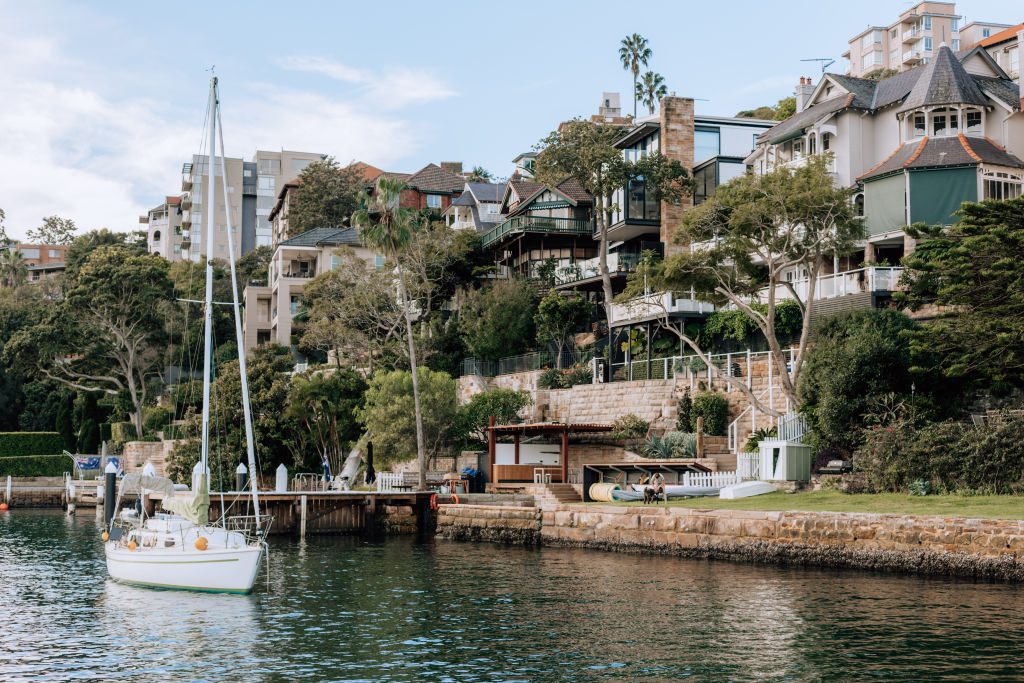
Mosman Bay today: harbourside homes, sandstone walls and a moored yacht
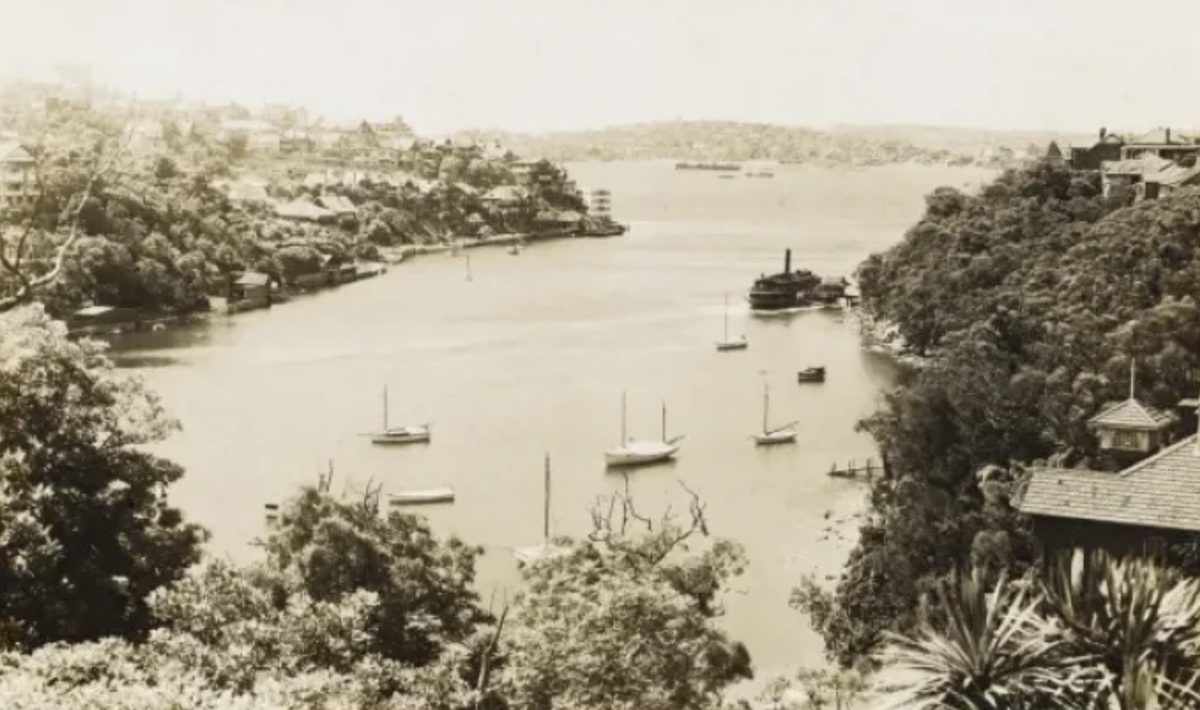
Archive photograph of Mosman Bay with an old ferry at the wharf and yachts moored in the bay
ThenNow

Drag to move between Mosman Bay then and now. This is how Film 2 moves through time.

The step changes

  1. Deep time

    Country

    The Borogegal and Cammeragal people, whose middens and rock art still line the harbour, and whose connection to Country continues today. In 1815, Bungaree and his people were granted a farm at Georges Head, described as the first Aboriginal land grant in the colony.

  2. 1831

    Industry on the water

    Archibald Mosman's whaling station in the cove that now bears his name.

  3. 1859 to 1890s

    Roads and ferries

    Richard Harnett clears roads, runs ferries and subdivides the land, opening Mosman to the city.

  4. 1893

    A municipality, and the tram

    Mosman becomes its own municipality and the tram arrives, sparking the Federation boom and the streets we treasure today.

  5. 1920s to 30s

    The first flats

    Early blocks of flats were considered "out of harmony" with Mosman. Some are now listed heritage items.

  6. 1950s to 60s

    Growing up, not out

    More than 20 towers rise. Council keeps them to the ridges and main roads, protecting the slopes.

  7. 1973

    Changing course

    Mosman bans high rise, shaping its future on its own terms.

  8. Today

    The next step

    A new generation, a housing crisis, and a plan that once again puts growth on the ridge. The handover to Film 1.

How it looks and sounds

  • Then and now

    Archive photographs from Mosman Library's Trace collection, matched to the same view today, so each era dissolves into the present.

  • Archive brought to life

    Gentle movement through still photographs and historic maps, from the 1880s parish map to the Masterplan area today.

  • Voices across time

    Oral history recordings layered with today's voices, so a resident from the 1960s and one from today seem to finish each other's thoughts.

  • The expert

    A historian, architect or social researcher, interviewed somewhere that carries history, such as the Local Studies room or a heritage street.

  • A lighter script

    Unlike Film 1, this film has a clear scripted through-line, which we'll share in the next round for approval.

Casting briefPut forward a first choice and a back-up for each of the six character types.Action needed by Fri 13th Nov

Who to bring forward.

The films will only feel real if the people in them are. You know your community best, so we're asking council to put forward the people.

Each character type below is built around what the Masterplan sets out to do: more diverse housing, affordable housing, stronger village centres, better public spaces, and protecting Mosman's heritage. That's five residents for Film 1, one of whom also appears in Film 2, plus one expert voice for Film 2. For each, please put forward a first choice and a back-up.

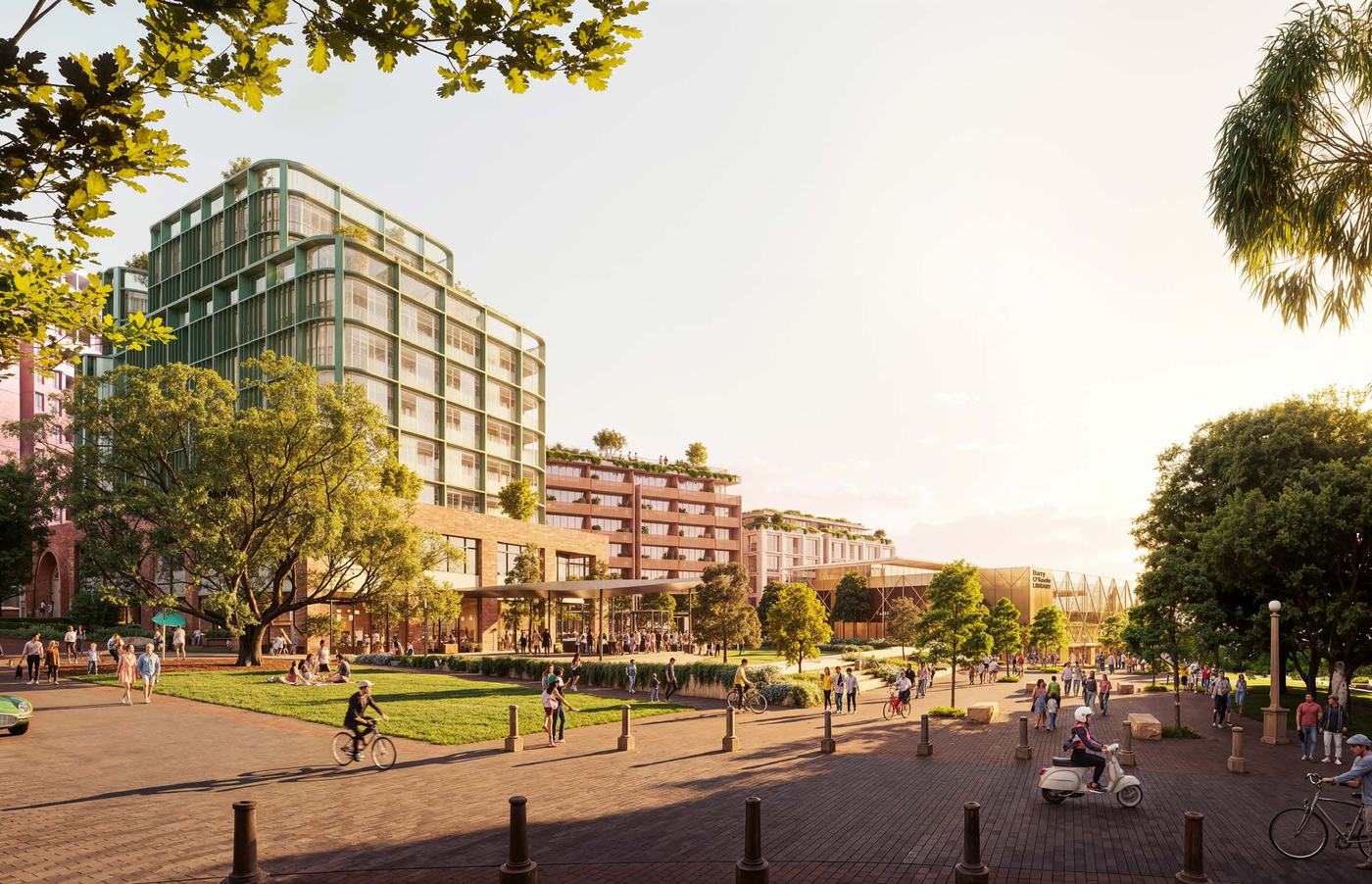
Residents relaxing on sandstone benches in a busy park at golden hour
Community life · Mosman Masterplan
These are a starting point, not a rule. The character types are based on what you've told us, but you know your community best. If you think of anyone who would speak well on camera or has something interesting to say, please put them forward, even if they don't fit a character type.

Each character comes with a question to help you decide if someone is the right fit, and some example interview questions. These are examples only. We'll finalise the interview questions once talent is cast, because they're shaped around each person and their story.

Film 1 and Film 2Housing diversity

The downsizer

A long-time resident who raised a family here and lives in a home that's now too big. They'd love something smaller, but don't want to leave their friends, the village or the harbour.

Bonus if they've lived here long enough to talk about how Mosman has changed. They'll also feature in Film 2.

Ask yourself

Could they tell us, in their own words, why staying in Mosman is so important to them at this stage of their life?

Example interview questions
  1. What was Mosman like when you first moved here, and what's changed most since?
  2. What would it take for you to move somewhere smaller and stay in the village?
  3. What do you hope Mosman looks like for the next family who moves into your street?
Film 1Housing diversity

The one who wants to stay

Someone in their twenties or thirties who grew up in Mosman and would love to build their life here. Some of their friends may have already found homes elsewhere.

Ideally renting locally or living at home, and hoping to buy one day.

Ask yourself

Do they light up talking about growing up here, and share what making a home in Mosman would mean to them?

Example interview questions
  1. What did growing up in Mosman give you?
  2. How many of your friends still live here, and where did the others go?
  3. What would it mean to you to make your home in Mosman?
Film 1Affordable housing

The key worker

A teacher, nurse, paramedic, police officer or aged care worker who looks after Mosman every day and travels in from further away.

Someone with a long commute and a real connection to the community they serve.

Ask yourself

Can they share their connection to Mosman, and what it would mean to live closer?

Example interview questions
  1. Tell us about a typical day, from leaving home to walking in the door at work.
  2. What do you love about the people you look after in Mosman?
  3. What would change for you, and for your work, if you could live closer?
Film 1Stronger village centres

The village trader

A local business owner on Military Road, at Spit Junction or in the village who knows their customers by name, and can see what more people living nearby could mean.

Honest about the disruption of change, and clear-eyed about the opportunity.

Ask yourself

Can they be honest about how change might affect their business, and still see the opportunity?

Example interview questions
  1. What makes your corner of Mosman special to trade in?
  2. How has the street changed while you've been here?
  3. What would more people living nearby mean for you and the businesses around you?
Film 1Right growth, right place

The neighbour who came around

Someone who lives in or near the area that will change, around Spit Junction or Military Road. They had real worries when they first heard about the plan, and have since come to see the sense in it.

The most powerful voice for sceptical residents, because they've been where those residents are now.

Ask yourself

Can they describe their first worry honestly, and explain what changed their mind without sounding sold to?

Example interview questions
  1. What was your first reaction when you heard about the Masterplan?
  2. What did you learn that changed how you saw it?
  3. What would you say to a neighbour who feels the way you did at the start?
Film 2Protecting heritage

The keeper of Mosman's story

A historian, heritage architect or social researcher who can explain how Mosman has changed over time, and why change always feels unsettling while it's happening.

Could be from the historical society, Mosman Library's Local Studies team, or the person mentioned in our session.

Ask yourself

Can they make Mosman's history feel like a story about people, not a list of dates?

Example interview questions
  1. What's a moment in Mosman's past that people worried about, and now treasure?
  2. Why does change always feel unsettling while it's happening?
  3. How do you think people will look back on this moment in fifty years?

What makes a great interviewee

  • They live or work in Mosman, and it shows when they talk about it
  • They have their own reasons, not council's
  • They can hold a concern and a hope at the same time
  • They're comfortable on camera, and with the film being public
  • They're available for an hour in late November or early December

Across the group, a mix of ages and backgrounds, and some people who live in the areas that will change, will make the film feel like Mosman.

For each person, please send

  • Their name, phone and email
  • Which character type they fit, and whether they're your first choice or back-up
  • A line or two on why you think they'd be great
  • Anything we should know, such as whether they've spoken publicly about the plan

Finding people sits with council. Our role is to screen them: we'll reach out for a relaxed chat with each person, then come back to you with a recommended line-up to agree before anything is locked in.

If someone says no, isn't the right fit, or we need more options, we'll come back to you for further suggestions. That's why a back-up for each character type matters.
Look and feelInterviews, visuals, sound, graphics and palette.
How it feels

Real people, real places.

Simple and honest. Locals talking about where they live, and Mosman as it really is.

  • Interviews

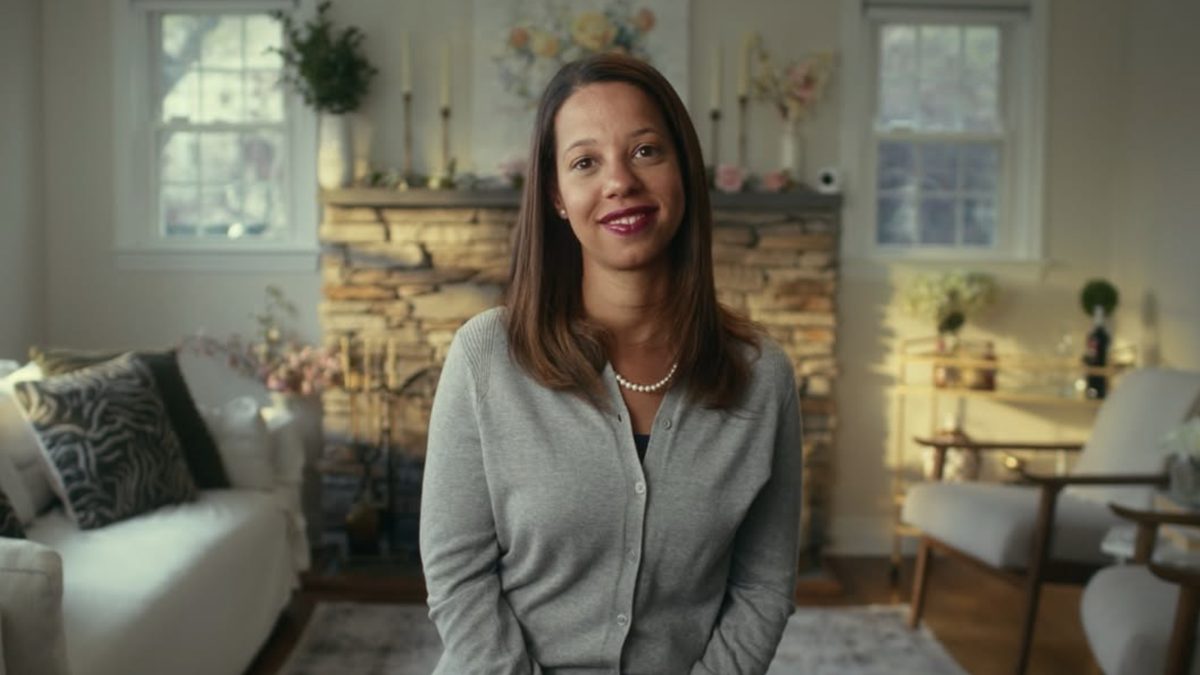
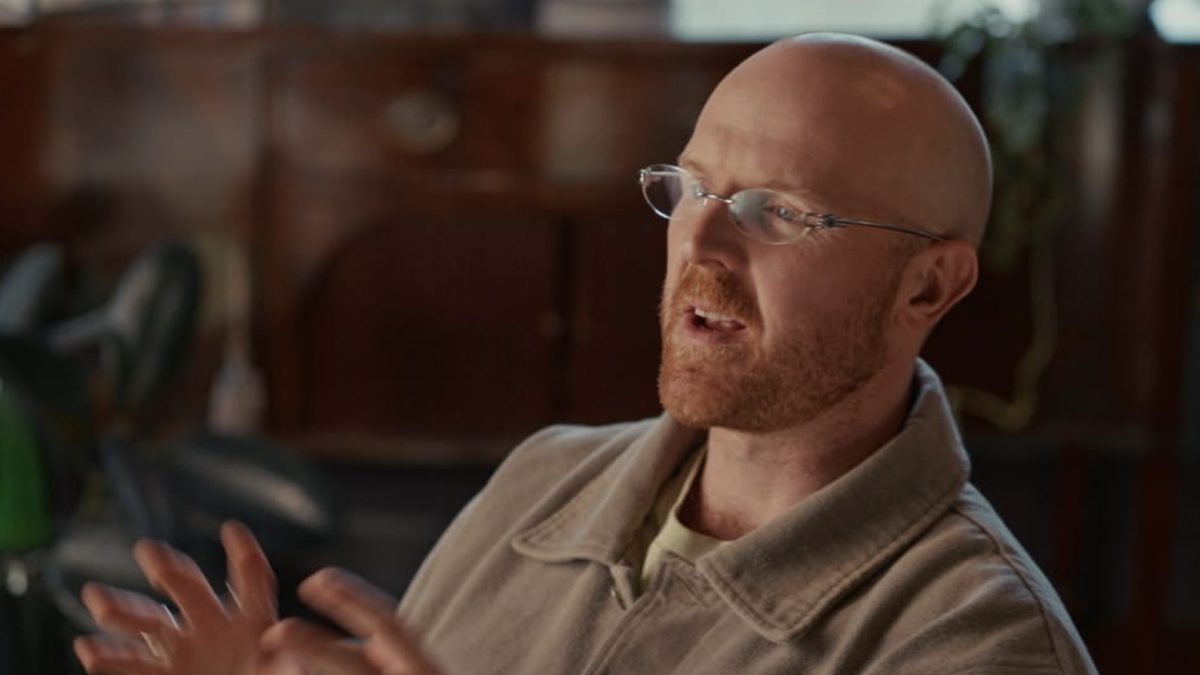
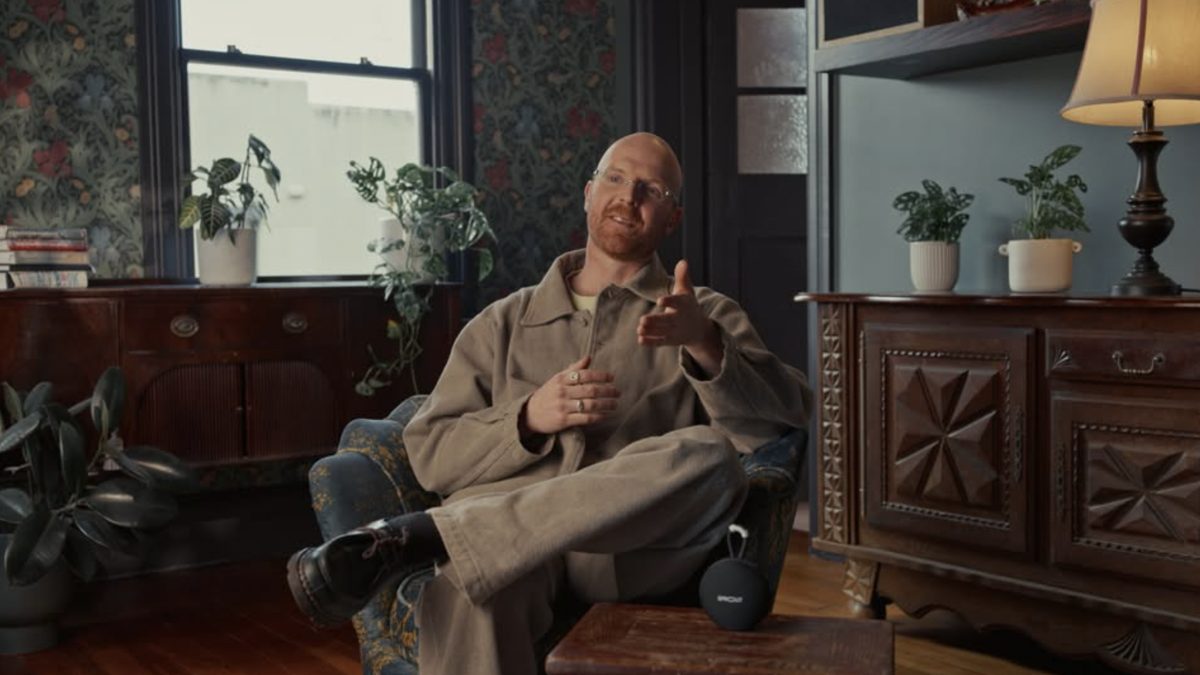
    Filmed in one or two council-owned locations, with a different background for each person and beautiful natural light. People speak straight down the barrel, so it feels like they're talking directly to the viewer.

  • Visuals

    Vignettes of Mosman woven around the interviews: the village waking up, harbour light, heritage streets, shopfronts and the bush. Drone used sparingly, to show where growth goes.

  • Sound and music

    An understated score that lifts in the final act, with the real sound of Mosman built into the soundscape: birds, ferries, the village and the harbour.

  • Graphics

    We'll use the graphics provided in the Masterplan, including its maps, renders and visual identity, so the films sit naturally alongside everything else at exhibition.

  • Light and timing

    Early morning and late afternoon light where we can. If any jacaranda bloom remains during the interview days, we'll capture it.

Interview frames

Natural light, a different backdrop for each person, and everyone speaking straight to camera.

Wide · window light · sandstone
Mid · down the barrel · greenery behind
Close · soft side light
Wide · heritage interior

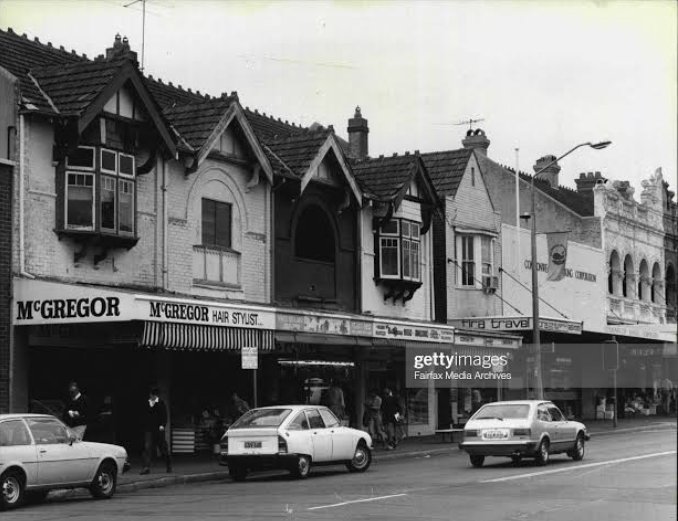
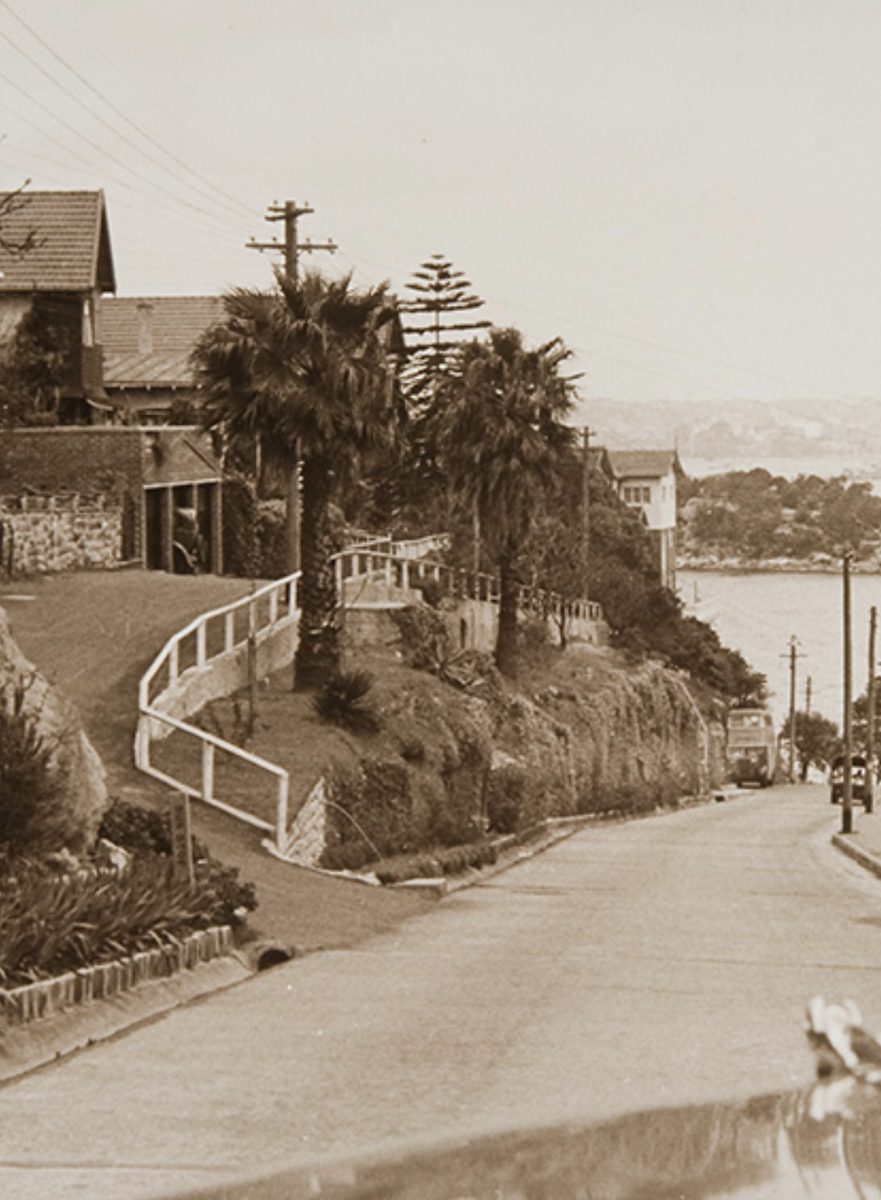
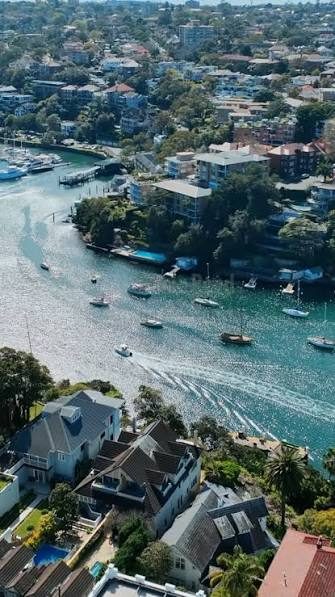
Mosman vignettes

Small, observed moments of everyday Mosman that carry the story between interviews.

Harbourside homes and sandstone
Archive Mosman Bay and ferry
Archive shopfronts, Military Road
Archive Mosman, down to the harbour
Heritage textures, brick and render
Morning coffee in the village
Mosman Bay from above
Gathering in a harbourside park

Palette, from the Masterplan

Titles, captions and graphics will use the Masterplan's own colours, so the films are instantly recognisable as part of the campaign. The footage itself stays natural, letting Mosman's harbour, sandstone and greenery speak for themselves.

Coral
Plum
Teal
Aqua
Pink
Production and timelineHow we'll make it, what you'll receive, and the timeline.
How we'll make it

Interviews first, then the visuals.

We film the interviews, build the story, and get your approval on the key messages before we shoot the visuals.

That way every shot we capture has a home in the final film, and we can spend more time making each one beautiful.

The timeline is tight, so quick turnarounds at each approval stage will make all the difference.

Timeline
  • Fri 13th NovCasting suggestions from council
  • Mon 16th NovTreatment feedback from council
  • By Wed 25th NovLine-up agreed after our chats with each person
  • 27th Nov to 2nd DecInterviews
  • Mon 7th DecInterview edit shared as audio and transcript
  • Thu 10th DecYour approval of the key messages
  • Fri 11th or Mon 14th DecFilming the visuals
  • By Tue 22nd DecFinal films and cutdowns delivered
Deliverables
DeliverableLengthNotes
Film 1Up to 5:00Full documentary
Film 1, short version1:30 to 2:00For the exhibition page and social
Film 21:30 to 2:00Heritage film
Social cutdowns ×40:30 to 1:00Including vertical formats
Captioned versionsAllOf every video deliverable
Stills package–Selected stills from the shoot

What we need from you

  • Your feedback on this treatment
  • Casting suggestions by Friday 13th November